
Two rifle scopes can offer the same magnification range and still behave differently when you turn the power ring. In one, the reticle appears to grow along with the target. In the other, the target gets larger while the reticle stays the same apparent size.
That difference comes down to first focal plane, or FFP, and second focal plane, or SFP. These terms describe where the reticle sits inside the scope’s optical system and how it responds to changes in magnification.
Neither design is automatically better. The right choice depends on how you use the reticle, how often you change magnification, and what you prefer to see through the scope.
The most useful distinction is scale: does the reticle maintain the same relationship to the target as you zoom, or does its apparent size remain constant?
In an FFP scope, the reticle sits ahead of the magnification assembly. As you increase magnification, both the target image and reticle appear larger. Reduce magnification, and both appear smaller. Because they scale together, the reticle maintains the same proportional relationship to the target.
That matters when the reticle includes measurement marks. The spacing represented by an MOA or MIL mark remains consistent at every magnification setting. You can change power without changing what those marks measure.
You may encounter the term “subtension” when reading scope specifications. It refers to the angular size represented by a reticle feature, such as the spacing between two marks. With FFP, that angular measurement stays constant throughout the zoom range.
The tradeoff is that the reticle’s appearance changes. Fine details may be harder to distinguish at low magnification, particularly against a busy background or in low light. The specific reticle design therefore matters just as much as the FFP label.
In an SFP scope, the reticle sits behind the magnification assembly. Turning up the magnification enlarges the target image, but the reticle maintains the same apparent size.
That consistent appearance can appeal to shooters who want a familiar-looking aiming point throughout the scope’s power range.
However, the reticle’s relationship to the target changes as magnification changes. Its reference marks represent their stated measurements at a designated calibration magnification, not automatically at every power setting. That setting is often maximum magnification, but you should confirm it in the scope’s manual.
This does not make an SFP reticle inaccurate. It means you need to understand the magnification setting at which its markings represent their published values.
The difference becomes especially important when you use marks beyond the center aiming point.
Consider an SFP scope whose reference marks are calibrated at 8x. At that setting, the marks represent their specified angular measurements. At 4x, each interval covers twice as much of the target in angular terms. The reticle has not changed apparent size, but the target image is now smaller.
With an FFP scope, those same angular measurements remain consistent at both settings because the reticle changes size with the image.
That consistency can be useful when you want to adjust magnification while continuing to use the reticle’s reference marks.
There is an important limitation, though: consistent measurements do not mean a ballistic reticle automatically matches every rifle and ammunition combination. FFP preserves the reticle’s scale; it does not remove the need to understand the reticle instructions and verify how its references apply to your setup.
| Consideration | First focal plane | Second focal plane |
| Reticle appearance | Appears larger or smaller as magnification changes. | Maintains the same apparent size. |
| Reference-mark measurements | Remain consistent throughout the magnification range. | Match stated values at the designated calibration setting. |
| Main advantage | Consistent reticle measurements while changing power. | Consistent-looking reticle throughout the zoom range. |
| Main consideration | Fine reticle details can become difficult to see at low power. | Using reference marks requires attention to magnification. |
These differences describe reticle behavior, not a ranking of overall scope quality.
FFP is worth considering if you regularly use the reticle’s measurement marks and want flexibility in your magnification setting.
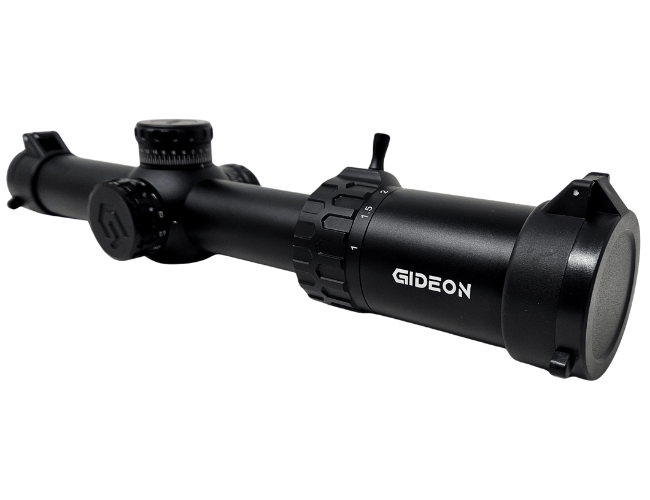
You may prefer a lower setting for a wider view, then increase magnification to examine a target more closely. With FFP, the marks maintain their measurements through that change. You do not have to return to one calibration setting before interpreting them.
The key question is whether you will actually use that capability. If you primarily use the center aiming point, consistent subtensions may not be the feature that matters most to you.
Also consider how the reticle looks at the bottom of the magnification range. An FFP reticle that looks excellent at high power may have fine details that are less prominent at low power. Review the reticle design rather than assuming every FFP scope will offer the same experience.
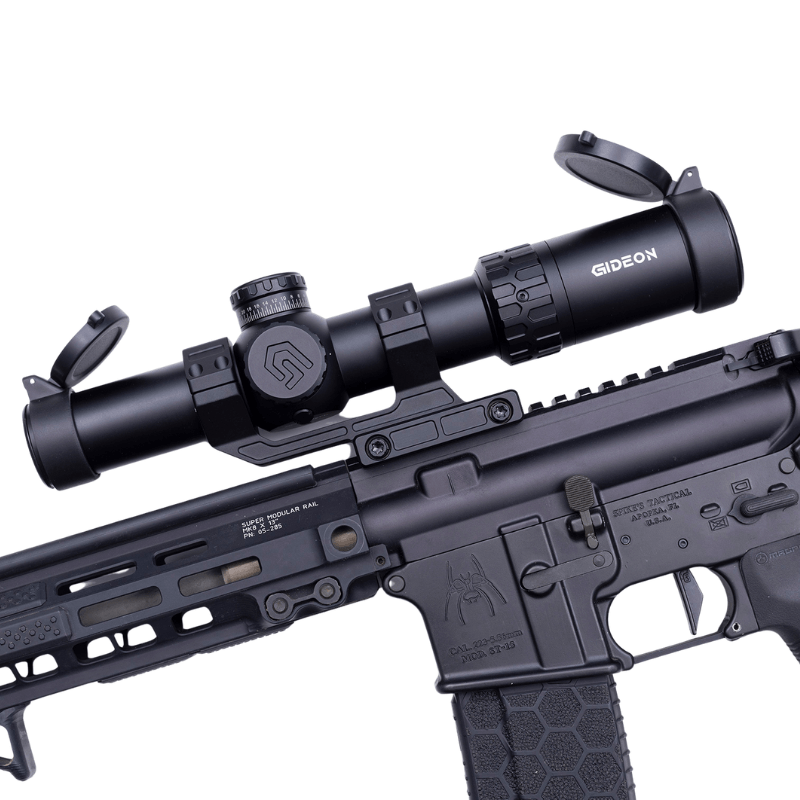
SFP is worth considering if you prefer the reticle to maintain a consistent appearance as you change magnification.
It can also suit someone who uses the center aiming point most of the time or is comfortable using a designated power setting when interpreting reference marks. The important part is knowing the scope’s calibration setting and following the reticle instructions.
SFP is not limited to beginners, and FFP is not a requirement for experienced shooters. These are different approaches to reticle presentation. Your preferred approach should follow how you use the scope, not an assumption that one label represents a higher skill level.
An FFP label does not guarantee better glass, a brighter illuminated aiming point, or a reticle you will find easier to use. An SFP label does not tell you whether the scope has the magnification range, dimensions, or controls you want.
Treat focal plane as one part of the buying decision. You still need to evaluate the actual reticle and the scope’s specifications.
Gideon’s Guardian 1-8x models provide a useful example. The Guardian 1-8×24 FFP has an illuminated etched-glass BDC/MOA combination reticle that scales with magnification. The Guardian 1-8×24 SFP provides the same overall magnification range while maintaining the reticle’s apparent size. Their similar power ranges do not make their reticle behavior interchangeable.
Comparing models this way is more useful than assuming all scopes with the same magnification will work alike.
Before choosing between FFP and SFP, answer four questions:
Then compare the remaining features that matter to you, including magnification range, eye relief, illumination, dimensions, and mounting requirements.
Choose FFP when consistent reticle measurements across magnification settings are a priority. Choose SFP when a consistent-looking reticle better suits your preferences and you understand its calibration requirements. Neither choice replaces learning the specific reticle.
Explore Gideon’s Guardian scope lineup to compare focal-plane options, reticle designs, and specifications, and choose the combination that fits how you intend to use your rifle.