
New optics hit the market every year. Bigger windows, cleaner dots, sharper glass, brighter reticles; it is easy to believe the next upgrade will finally fix what is happening on the range. But most shooting problems do not start with the optic. They start with the shooter.
That does not mean optics do not matter. They absolutely do. A quality red dot can speed up target acquisition, help shooters stay target-focused, and make aiming clearer in low light or under stress. But even the best optic cannot make up for poor grip, inconsistent presentation, or bad trigger control. That is where the “hardware vs. software” idea matters: your optic is the hardware, and your skillset is the software that runs it.
If the software is sloppy, new hardware only exposes the problem faster. If the software is solid, the right optic becomes a real advantage instead of an expensive distraction.
Modern optics solve real-world problems for everyday shooters. A red dot can help simplify the sight picture, improve speed at defensive distances, and make it easier to stay visually locked on target instead of shifting focus back and forth between sights and threat. For shooters dealing with aging eyes, changing vision, or the need to perform in inconsistent lighting, that is a meaningful upgrade.
What an optic cannot do is replace fundamentals. It cannot clean up a jerky trigger press, fix a weak grip, or force the gun into your line of sight during the draw. It also cannot make someone proficient simply because the gun now has a dot on it.
That distinction is important for buyers. The problem is not buying an optic. The problem is expecting the optic to do the shooter’s job.
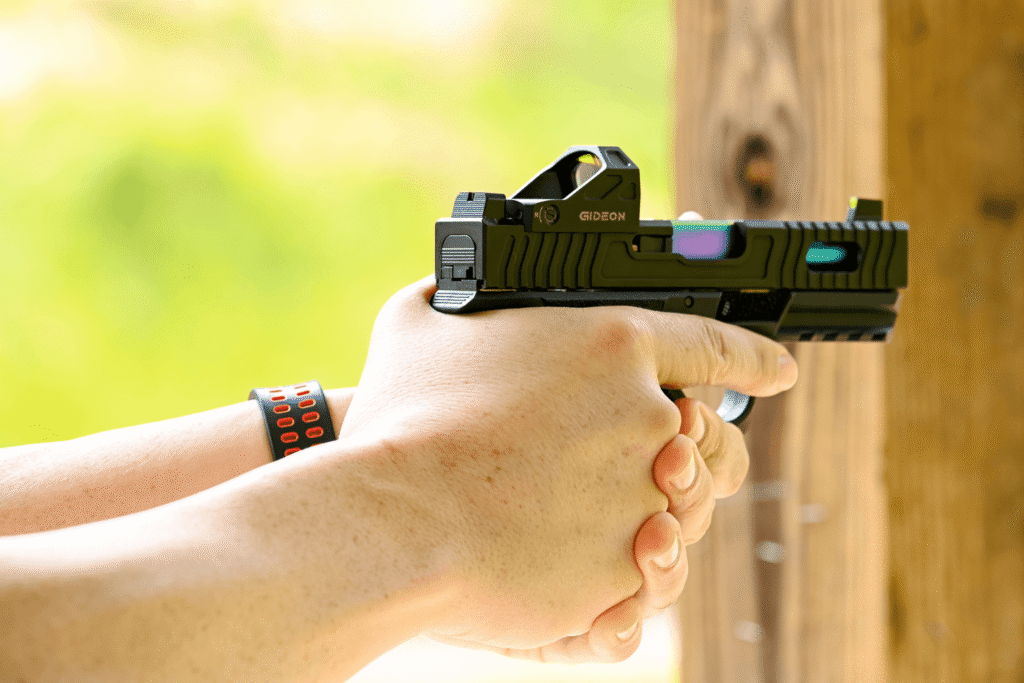
A red dot gives instant feedback, which is helpful, but also humbling. If your grip is inconsistent, you will see the dot bounce harder, leave the window between shots, or return somewhere different after recoil. That is not the optic failing. It is the shooter getting honest visual feedback.
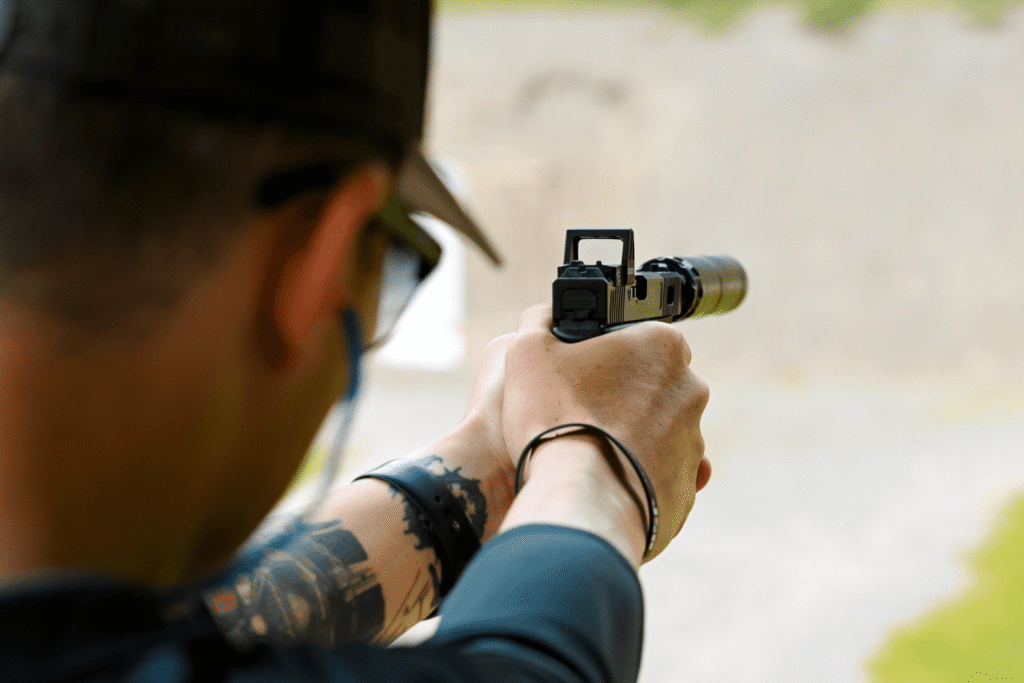
A solid, repeatable grip gives the optic a stable platform to work from. On pistols especially, that means getting high on the backstrap, building consistent support-hand pressure, and managing recoil the same way every shot. The optic helps you see the problem faster, but the fix still comes from technique.
One reason shooters sometimes think their optic is “off” is because the dot makes trigger errors easier to spot. Instead of hiding movement behind a front sight focus, the dot shows exactly what the gun is doing as the trigger breaks. If the dot jerks off target at the last second, that is valuable information.
That is why trigger work matters more than most gear changes. Dry fire, controlled live fire, and deliberate shot accountability do more to improve accuracy than constantly shopping for a different optic. The hardware gives feedback; the software determines whether the shooter can use it.
A bigger window can help, but it does not replace a repeatable draw stroke. If the gun does not arrive in front of your eye line consistently, you will still hunt for the dot no matter what optic is on the slide. That issue is especially obvious with carry pistols, where presentation from concealment matters more than square-range low ready reps.
This is where optics can make shooters better, but only if they listen to what the dot is showing them. When the presentation is clean, the dot appears where it should. When it is not, the fix is practice, not panic-buying another sight.
The goal is not to “make do” with mediocre equipment forever. The goal is to stop guessing and start building honest performance so the next purchase is based on need, not frustration.
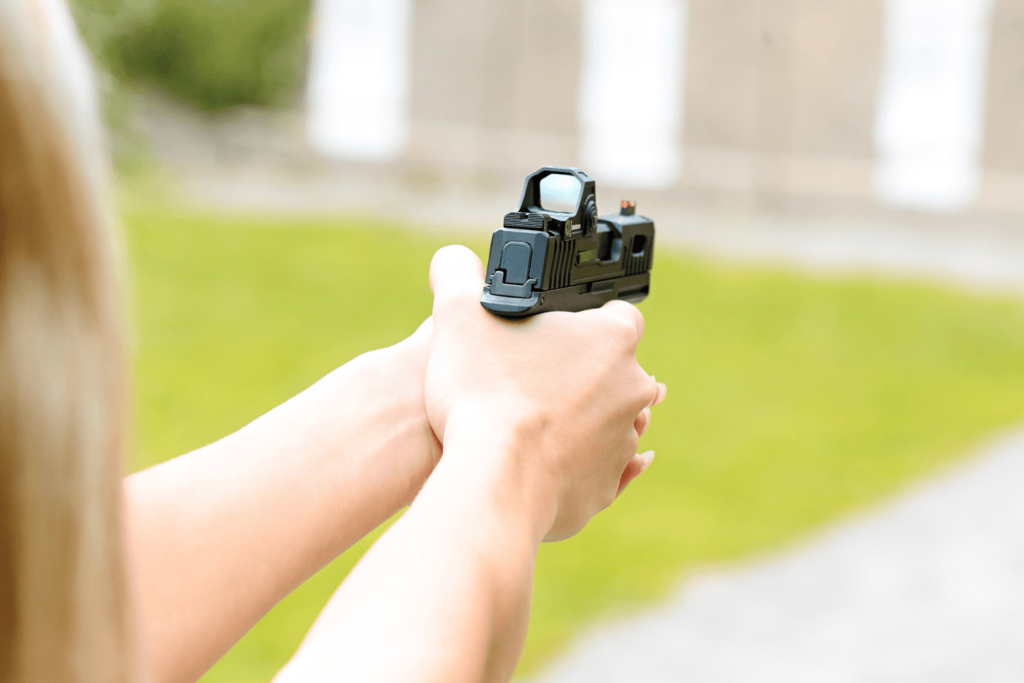
A simple practice structure works well:
This kind of work does two things at once. It improves skill, and it makes gear decisions smarter. Once a shooter has enough reps to separate technique errors from equipment limitations, it becomes much easier to tell whether the current optic is doing the job.
This is the part too many “train more” articles miss: hardware still matters. It just matters more once the shooter has a baseline level of competence.
A better optic can be worth the investment when:
At that point, upgrading is not gear-chasing. It is a logical performance decision. The shooter has done enough work to understand what is missing, and the new optic adds capability instead of false hope.
The point is not to avoid optics. It is to buy them for the right reasons.
A new optic will not build fundamentals for you, but the right optic can absolutely help a trained shooter perform better. That is why the smartest path is not “never upgrade.” It is: clean up the software, then choose hardware that actually supports how you shoot.
For shooters who carry, compete, train seriously, or want more from their defensive setup, a well-chosen optic is not a gimmick. It is a practical upgrade. Once the fundamentals are there, better hardware becomes easier to appreciate, and much easier to justify.
If you are putting in the reps, paying attention to what the gun is telling you, and building real consistency, that is exactly when it makes sense to invest in an optic that matches your use case. That is where the right gear stops being a shortcut and starts being an advantage.