
Cold weather can challenge even the most dialed-in optics setup. From battery performance to lens fogging and shifting light conditions, winter brings a unique set of factors that affect your gear and your shot. Whether you’re braving the cold for hunting, defensive training, or range time, it pays to understand how optics behave when temperatures drop.
Here’s what to consider when prepping your optic for cold weather, so your zero holds, your reticle stays clear, and your gear doesn’t slow you down.
If your red dot or illuminated reticle suddenly fades faster than usual, cold temperatures are likely the culprit. Battery efficiency drops in low temps, especially below freezing. Even fresh cells may not deliver their full output in cold environments.
To offset this, always use lithium batteries, which perform significantly better than alkaline or zinc-carbon options in winter conditions. It’s also smart to keep a few spares in a warm inner pocket, closer to your body heat, rather than letting them freeze in your range bag. And if your optic offers multiple brightness settings, consider dialing it down when not in use to conserve power.
Moving between temperature extremes, like a cold range and a warm vehicle, can cause your optic lenses to fog, either externally or internally. This can temporarily obscure your sight picture or, in worst cases, leave lingering residue.
While some optics come with fog-resistant coatings, it’s still a good idea to apply a quality anti-fog lens treatment before winter sessions. You can also minimize lens fogging by allowing your optic to gradually acclimate between environments. Keep it stored in a case or zippered bag until the temperature evens out.
Snowy landscapes and overcast skies create unique visibility challenges. If your reticle is too dim, it can disappear against bright snow; too bright, and it might bloom or blur in lower light.
Make sure to test your reticle brightness in various winter lighting conditions. In bright snow, increase brightness to maintain visibility. In shaded woods or late afternoon sessions, lower it to prevent flare. The right setting keeps your aiming point crisp and usable without distraction.
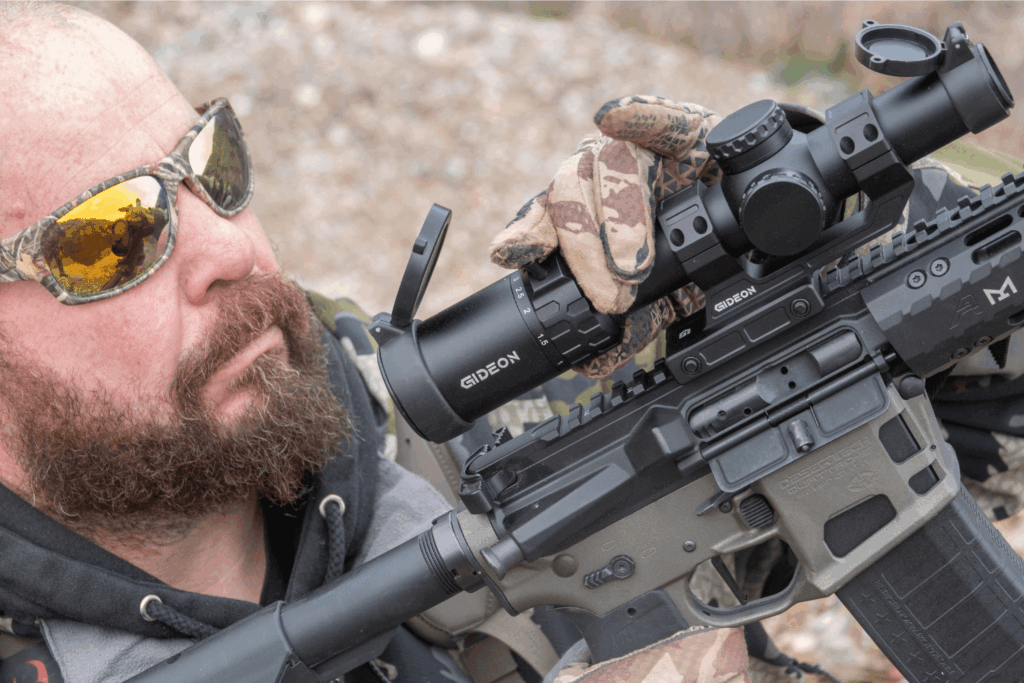
If you’re shooting in gloves, as most cold-weather shooters are, your ability to operate small or stiff controls is reduced. Compact buttons, stiff dials, or flush-mounted brightness settings may be harder to adjust in the cold.
Before heading out, make sure your optics’ controls are glove-friendly. Larger buttons, audible clicks, and tactile switches help maintain speed and control in the field. This is especially important for red dots or LPVOs, where adjusting brightness or zoom on the fly can make or break your shot.
Metals expand and contract with temperature, and that includes your optic mount and firearm rail. What was torqued perfectly in a warm workshop might behave differently in freezing conditions, leading to slight zero shift or loosening over time.
For the best results, mount your optic with a precision torque tool, and if possible, do your final torque check in conditions close to those where you’ll actually be shooting. Recheck zero if your gear has been exposed to extreme cold or long transport. It’s also smart to inspect mounts periodically throughout a winter range session, especially on hard-use rifles or shotguns.
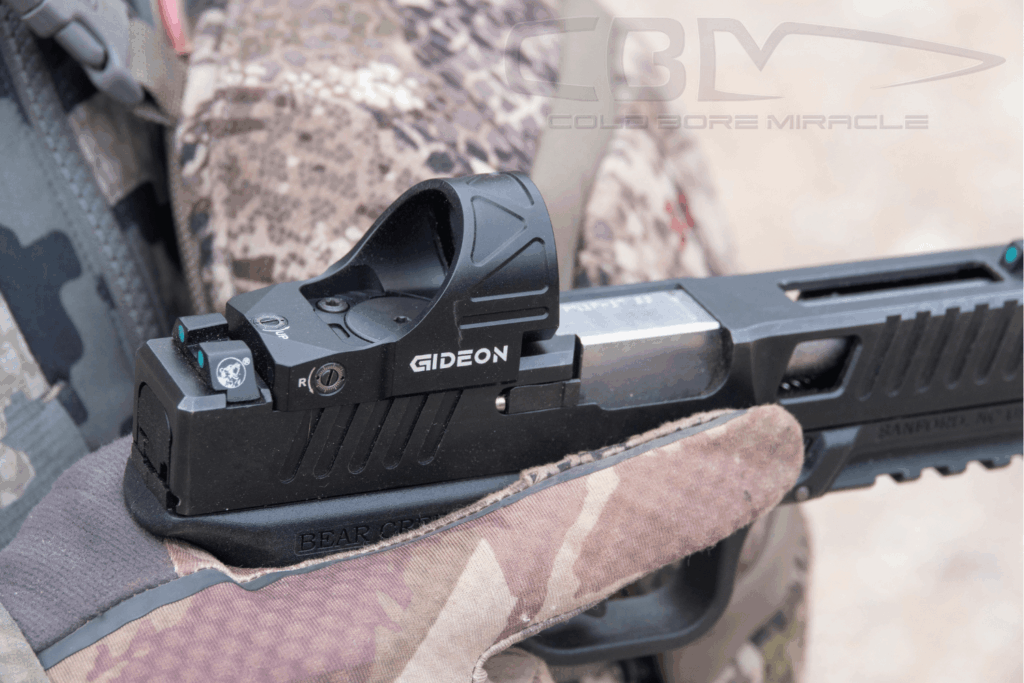
Extreme cold can make certain materials, especially plastics or polymer housings, more brittle. If your optic takes an impact during winter use, it’s more likely to crack or misalign than it would in warmer weather.
To avoid this, prioritize optics with rugged construction, featuring metal housings, sealed electronics, and shock-rated durability, such as those offered by Gideon Optics. Mounts also matter. Choose options that fully engage your rail, offer recoil lugs, and lock down securely under torque.
Shooting in cold weather adds complexity, but with the right approach, your optics can perform reliably throughout the entire season. Here’s a quick recap to keep in mind:
Winter shooting puts your gear to the test, but with a few adjustments, your optic can stay sharp, reliable, and ready to perform. Whether you’re hunting, training, or pushing your rifle through snow and ice, understanding how cold weather affects your setup helps you stay one step ahead of failure, and one shot closer to your goal.
If you’re looking to upgrade your optic for year-round performance, now’s a great time to explore durable, cold-ready options that won’t slow you down when the temperature drops.
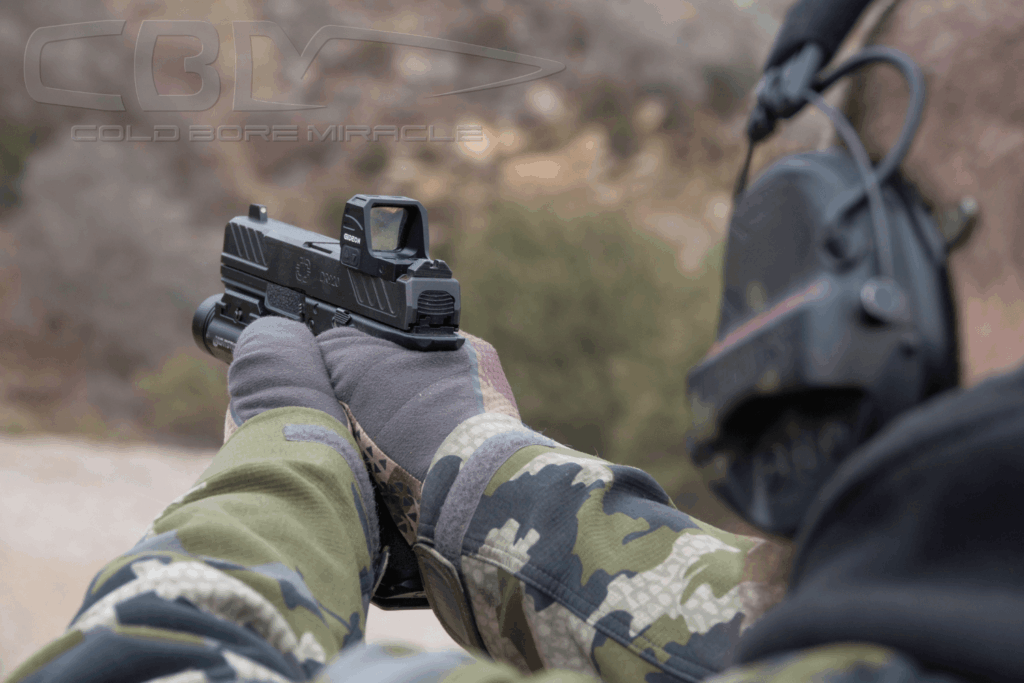
Photo Credit: All imagery in this post is courtesy of @coldboremiracle, used with permission. See his latest hands-on review of Gideon Optics here.