
It’s a familiar cycle.
You install a new optic. You hit the range. Your groups aren’t what you expected. The reticle doesn’t look as crisp as you hoped. Something feels off.
The instinct is immediate: It must be the optic.
But more often than not, the optic isn’t the problem. Modern red dots, prism scopes, and LPVOs are extremely capable pieces of equipment. What usually undermines performance isn’t the glass, it’s setup, expectations, or misunderstanding how the system actually works.
Before you replace your optic, it’s worth stepping back and examining a few common mistakes that quietly sabotage performance.
There’s a persistent belief that “tighter is better.” In reality, over-torquing is one of the most common causes of mounting issues.
Optic mounting screws are engineered for specific torque values, usually measured in inch-pounds. Exceeding those specs can deform mounting surfaces, strip threads, damage screws, or stress the optic housing itself. Even if nothing visibly breaks, excess pressure can introduce subtle misalignment that affects zero retention.
When shooters experience shifting point of impact or inconsistent groups, they often assume the optic is defective. In many cases, the real issue is improper torque.
A quality inch-pound torque wrench isn’t a luxury, it’s a basic setup tool. Precision during installation is just as important as precision when shooting.
Zero distance shapes your entire trajectory.
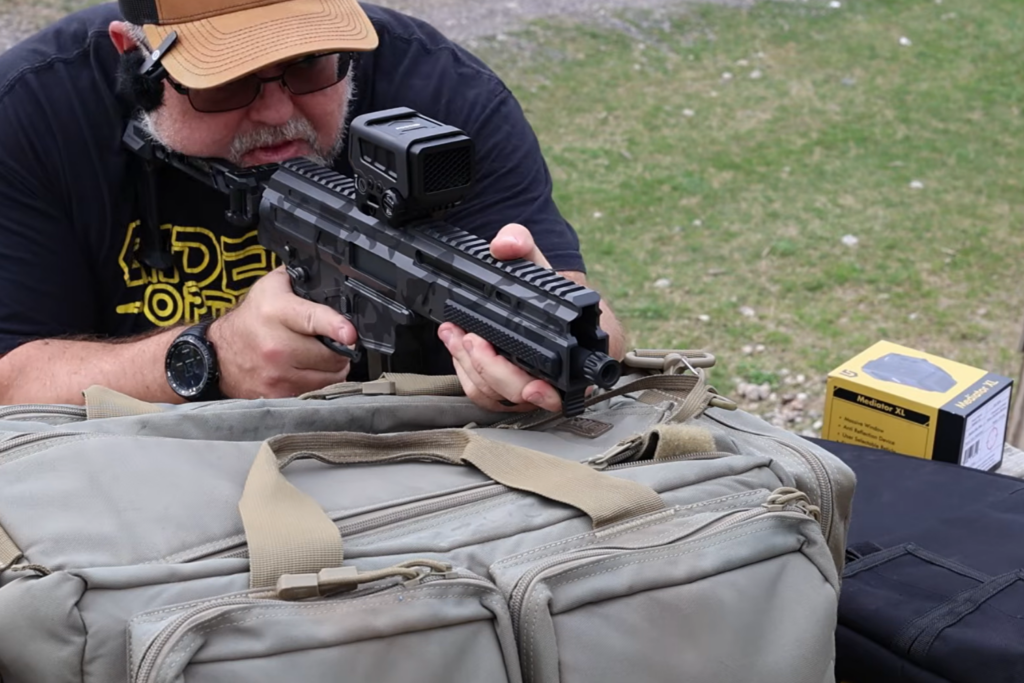
Many shooters zero at 10 yards because it’s convenient. That’s not inherently wrong, but it creates a very specific ballistic relationship between your optic and your bore. At extremely close range, mechanical offset is exaggerated. At mid-range distances, your point of impact may not align with expectations.
For a defensive rifle, a 50-yard zero may provide a more versatile trajectory. For other applications, 100 yards may make more sense. The key is matching the zero to the purpose.
When a shooter expects a close-range zero to perform identically at 75 or 100 yards, frustration follows. The optic gets blamed. In reality, the system is performing exactly as physics dictates.
Understanding height-over-bore and trajectory isn’t advanced theory, it’s practical setup knowledge that directly affects confidence.
If your reticle appears distorted, bloomed, or fuzzy, the brightness setting is often the culprit.
Modern optics provide wide illumination ranges because lighting conditions vary dramatically. However, many shooters default to maximum brightness in daylight, assuming brighter means clearer. In fact, excessive illumination can wash out edges and create the illusion of distortion.
Reticle bloom is not a defect. It’s a mismatch between brightness level and ambient light.
The proper approach is simple: use the lowest setting that still provides clear contrast against your target. This produces a sharper, more defined aiming point and reduces eye fatigue during extended shooting sessions.
Every few years, a different optic category becomes the industry favorite.
Red dots dominate for speed. LPVOs surge for versatility. Prism optics regain popularity for clarity and etched reticles. Social media reinforces trends, and it’s easy to assume that whichever style is currently popular must be universally superior.
But optics are tools built around design tradeoffs:
No category is inherently “better.” They are solutions for different use cases.
When shooters select an optic based on trend rather than application, disappointment follows. The optic gets blamed for not performing like a different type entirely.
Matching the optic to the job prevents that frustration.
Mount height significantly affects how a rifle handles.
Absolute co-witness, lower 1/3, and taller mounts each change head position, posture, recoil management, and speed of acquisition. A mount that feels natural for one shooter may feel awkward for another based on neck length, stock setup, or shooting style.
If acquiring the reticle feels slow or uncomfortable, the problem may not be the optic, it may be geometry.
A slightly taller mount can promote a more upright posture and faster presentation. A lower mount may feel more stable for others. These are ergonomic considerations, not quality indicators.
Optic performance is tied directly to how well it integrates with the shooter’s mechanics.
This is perhaps the most common misunderstanding in the optics world.
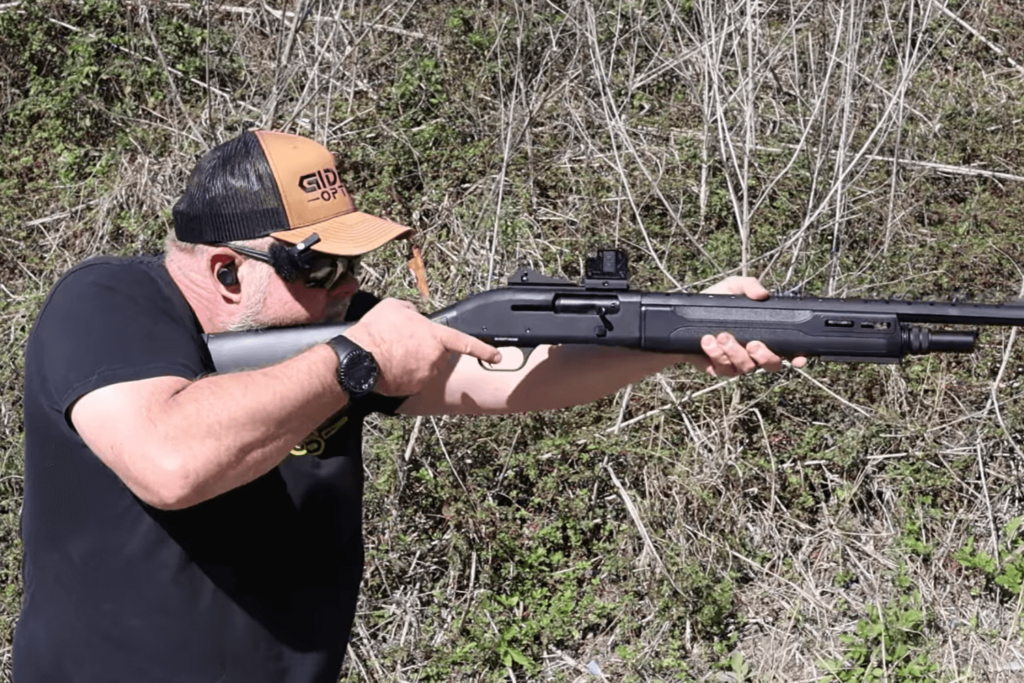
Shooters often expect a single optic to deliver:
Those expectations conflict with physics and design constraints.
A large-window red dot improves field of view but increases size. A prism scope provides etched clarity but requires more consistent eye alignment. An LPVO offers magnification but adds weight and complexity.
Tradeoffs are not flaws. They are design decisions.
When expectations exceed the design intent of the optic, dissatisfaction follows, even when the optic is performing exactly as intended.
A reticle is not just a shape in a window. It’s a measurement system.
Whether it’s a simple dot, a triangle, or a circle-dot configuration, the reticle provides reference points for holds, offset compensation, and precision aiming. Many shooters never take the time to understand how their reticle interacts with their zero distance and chosen ammunition.
Instead, they treat it as a floating indicator and assume inconsistency equals poor quality.
Learning your reticle means understanding:
That knowledge transforms performance more than swapping optics ever will.
Modern optics are remarkably reliable. Failures are rare compared to installation errors and unrealistic expectations.
When something feels off, take a systematic approach:
Most performance issues trace back to setup decisions, not manufacturing defects.
There is no single optic that dominates every scenario. That’s not a weakness in the industry, it’s simply the reality of physics and design tradeoffs.
Before replacing your optic, make sure it isn’t simply asking for better setup. In most cases, performance isn’t unlocked by new gear. It’s unlocked by better understanding.