

When it comes to choosing and setting up an optic, shooters often focus on magnification, reticles, and glass quality, while overlooking one of the most important factors: eye relief.
If you’ve ever struggled to get a clear sight picture or felt uncomfortable behind your optic, your setup could be suffering from incorrect eye relief. In this guide, we’ll break down exactly what eye relief is, how it differs across optic types, and how to optimize it for better accuracy, comfort, and safety.
Eye relief is the distance between your eye and the rear lens of the optic where you can see the full sight picture clearly, without distortion, black rings, or vignetting.
Eye relief varies from optic to optic and plays a crucial role in how quickly and comfortably you can acquire your target.
When your eye is too close or too far from the optic, you’ll notice shadows or a “tunnel vision” effect around the edges of the glass. This narrows your effective field of view and slows down target acquisition.
Optimal eye relief helps you build consistent habits, whether you’re drawing a pistol, shouldering a rifle, or shooting from prone. Inconsistent eye relief often leads to poor posture and slower shots.
For high-recoil firearms, having too short an eye relief can result in “scope bite”, when the optic recoils into your eyebrow or forehead. This is especially important when using powerful rifles with magnified optics.
Each category of optic handles eye relief differently. Here’s what to expect and how to approach setup for each:
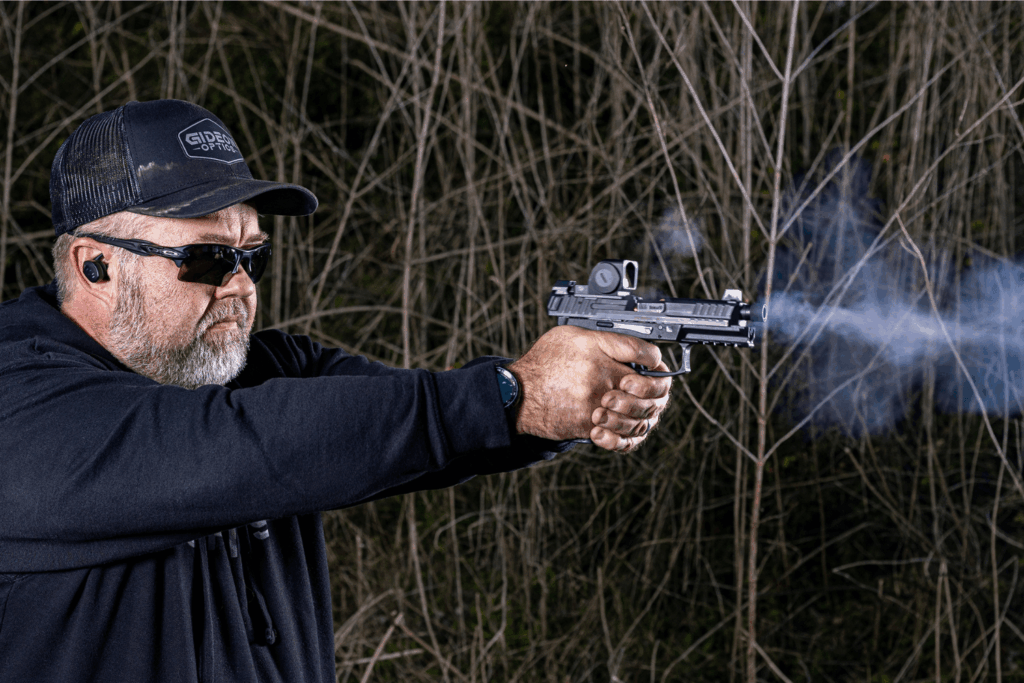
Eye relief: Unlimited
Why: Since red dots are non-magnified and use a parallax-free design, your eye can sit at virtually any distance and still see the reticle clearly.
Ideal Use: Pistols, AR-15s, shotguns, and CQB-style carbines.
Pro Tip: This flexibility makes red dots ideal for rapid target acquisition in defensive shooting or dynamic movement.
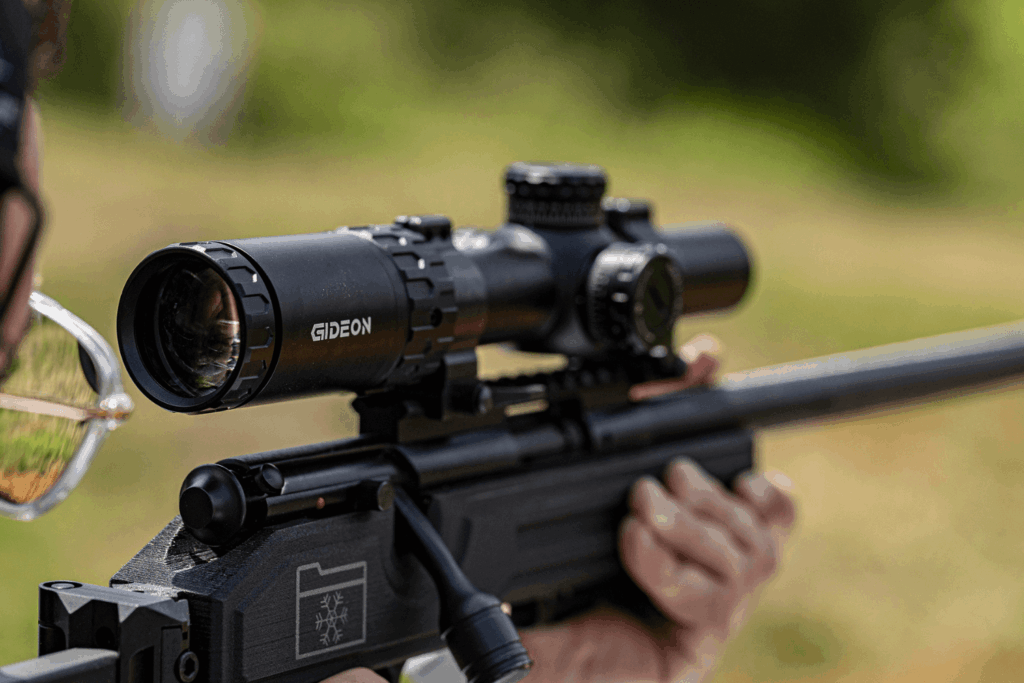
Eye relief range: 3.0″ to 4.0″
Why: LPVOs offer 1x–6x or 1x–8x magnification, so your eye must be within a specific distance to maintain a full sight picture.
Ideal Use: Versatile rifles used in both close and mid-range engagements.
Pro Tip: When zeroing your LPVO, shoulder your rifle in a natural stance and adjust the optic position to achieve a full sight picture at your default magnification (usually 1x or 4x).
Eye relief range: 2.5″ to 3.5″

Why: With fixed magnification and a compact design, prism optics have a tighter eye box. You’ll need more precise alignment to see clearly.
Ideal Use: Mid-range shooting and for users with astigmatism who benefit from etched reticles.
Pro Tip: Prism scopes are great on rifles with limited rail space, just ensure your mount places the optic within the correct eye relief window.
Here’s a practical 4-step process to get your eye relief dialed in:
Note: Always test your setup under live-fire conditions to confirm that recoil doesn’t cause discomfort or disrupt your sight picture.
Not every optic is a fit for every platform. Here are some guidelines:
| Firearm Platform | Recommended Optic Type | Eye Relief Consideration |
| Pistol | Micro Red Dot | Unlimited – prioritize rapid presentation |
| AR-15 | Red Dot / LPVO / Prism | Adjust for head placement and sling use |
| Bolt-Action Rifle | LPVO / Traditional Scope | Longer eye relief needed due to recoil |
| Shotgun | Red Dot | Unlimited – ideal for dynamic target shifts |
Getting eye relief right isn’t just about comfort; it’s foundational to proper marksmanship. When you can quickly acquire your sight picture without strain or adjustment, everything else improves: speed, precision, confidence.
Gideon Optics offers red dots and LPVOs designed with generous, shooter-friendly eye relief in mind. From CQB to DMR setups, the right optic and the right setup can make all the difference.
Need help finding an optic that fits your firearm and shooting style? Explore our full lineup or contact our team for personalized support.