
0
Your Cart
empty cart Your cart is currently empty! Return to Shop
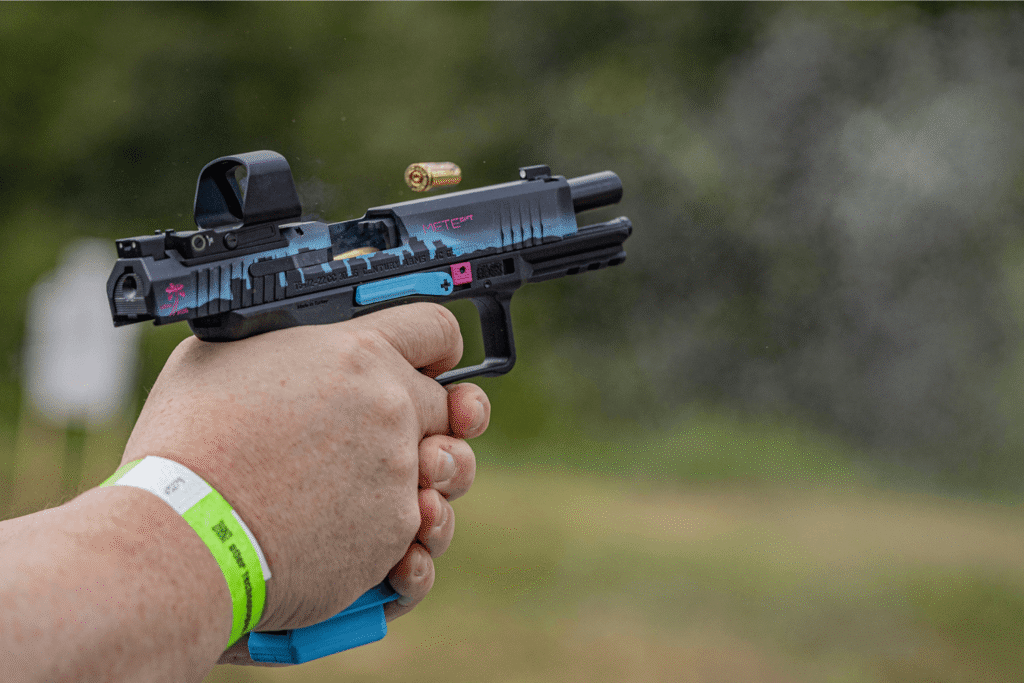
Hands aiming a pistol with a Gideon Optics red dot mounted

One Gun, One Dot, Many Roles: Setting Up a Versatile Optic for Range, Carry, and Home Defense

Not everyone has a safe full of pistols and dedicated optics for every possible role. For a lot of shooters, one handgun ends up doing almost everything: everyday carry, range practice, and nightstand or home-defense duty.

If that sounds like you, the question isn’t “Should I buy three different guns?” It’s “How do I set up one gun and one red dot to cover all the things I actually do with it?”

A well-chosen pistol optic can absolutely pull double, and triple duty. The key is to be intentional about your setup, your zero, and your training so that the same gun feels at home under a cover garment, on a shot timer, and in the middle of the night.

Step 1: Start With the Right Optic for Multi-Role Use

A multi‑role gun needs a multi‑role optic. That means steering away from extremes and looking for a balanced feature set.
Window Size and Concealment

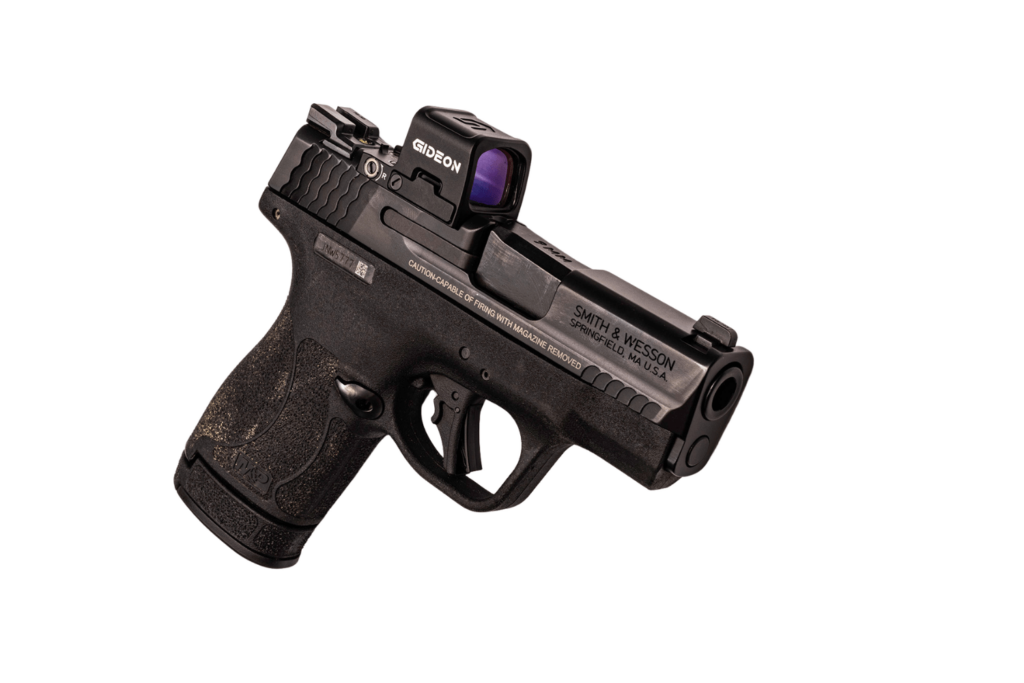
Pistol with a Gideon Optics Valor Mini micro red dot mounted

Too big, and the optic becomes harder to conceal, more likely to print, and more awkward to carry all day.

Too small, and you sacrifice the generous sight picture that helps at the range and in home-defense scenarios.

Micro and mid‑size dots designed for EDC are a strong fit here: small enough not to dominate the slide, but with a window that gives you a forgiving sight picture for training and low‑light work.

Durability and Controls

A single gun that lives on your belt and beside your bed takes more abuse than a dedicated “gamer” build. Look for:

  • Solid housing construction and proven mounting footprints
  • Meaningful waterproofing and drop resistance
  • Simple, glove‑friendly brightness controls and a clear on/off state

If your optic is going to leave the house, ride in and out of holsters, and live through thousands of draws, it needs to be built for real-world carry, not just static range work.

Reticle and Dot Size

For a mixed role gun, a 3–6 MOA dot is the sweet spot for most shooters:

  • Small enough for precise aiming out to 25 yards and beyond
  • Large enough to pick up quickly under stress and in close quarters

If the optic offers circle-dot options, those can help newer dot shooters or anyone who wants faster reference at closer ranges, while still giving the fine dot for more precise shots.

Step 2: Choose a Zero That Makes Sense Across Roles

You don’t need three different zeros for three different roles. You need one that gives predictable, manageable point-of-impact at the distances that matter most for EDC, range work, and home defense.
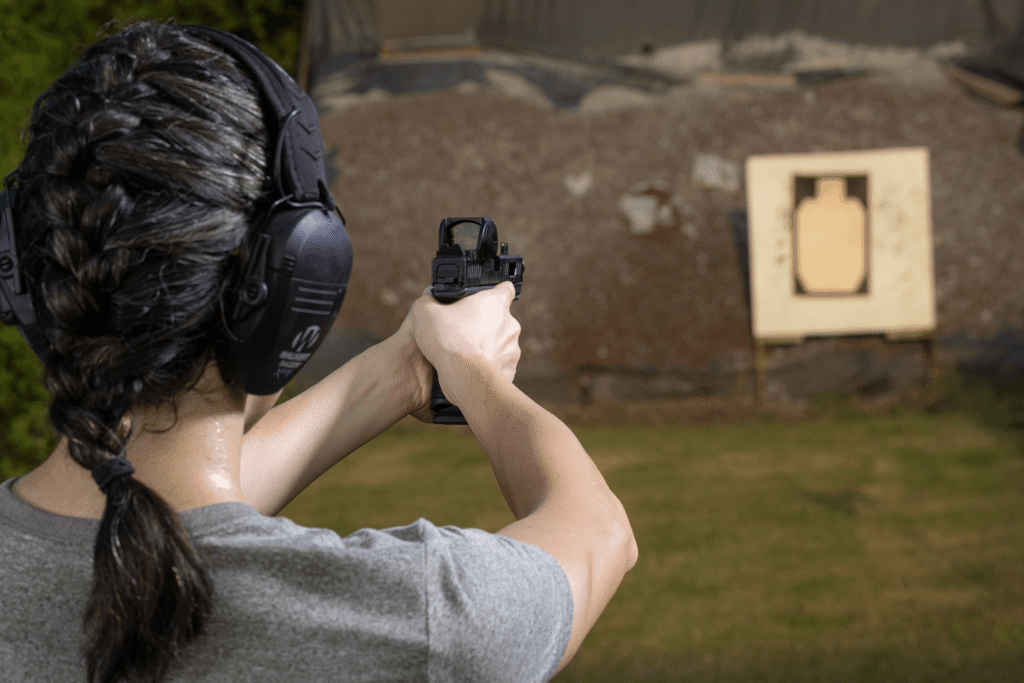
View behind the back of a woman aiming a pistol with a red dot at a target at an outdoor shooting range

Common Multi-Role Zero Choices

For a typical carry/HD pistol, good all‑around choices include:

  • 10 or 15 yards: Often ideal for close- to mid-range defensive work, with minimal holdover complexity from 3 to 20 yards.
  • 25 yards: Favors longer-range precision and competition standards, but still workable at typical self-defense distances with minor deviations.

Pick a distance based on your most likely use:

  • If your priority is EDC and home defense inside typical room or driveway distances, a 10–15 yard zero is usually more practical.
  • If you also shoot structured matches or emphasize 25-yard standards, a 25-yard zero may make more sense.

Whatever you choose, confirm what happens at:

  • 3–5 yards (very close)
  • 7–10 yards (common defensive distances)
  • 15–25 yards (longer shots and range work)

The goal is confidence: you should know where your dot needs to be to put rounds where they belong, regardless of role.

Step 3: Set Up Brightness Habits for Different Environments

One gun, one dot means that optic is going to see very different lighting environments: bright outdoor ranges, dim indoor rooms, parking lots, and everything in between.

A few simple habits make life easier:

Daylight range sessions:

  • Run the dot bright enough to stand out against sunlit targets without blooming into a fuzzy mess.
  • If your optic has auto brightness, verify it isn’t washing out or lagging in changing conditions.

Indoor / home-defense practice:

  • Drop brightness a step or two so the dot doesn’t overwhelm your vision in low light or reflect harshly off walls and objects.
  • Test from actual home-defense positions: hallways, doorways, corners, not just wide-open spaces.

Carry:

  • Choose a “default” brightness you set before holstering.
  • If your optic has shake‑awake, make sure your default setting and timeout behavior match how you carry and train.
  • The more consistent you are with brightness management, the less time you’ll spend fiddling with buttons when it matters.

Step 4: One Training Plan, Three Roles

A single pistol and optic can’t serve three roles if your training never reflects those roles. You don’t need three separate range sessions, but you do need to consciously allocate time.

Block 1: EDC Focus (Draws and Close Work)

  • Work from your actual concealment setup.
  • Emphasize draw to first shot at 3–10 yards, with realistic cover garments and par times.
  • Practice both clean, centered A‑zone hits and faster “acceptable” hits that reflect real-world urgency.

Block 2: Home-Defense Focus (Low-Light and Controlled Strings)

  • If possible, use reduced light or indoor ranges to simulate home lighting.
  • Practice two‑handed and one‑handed shooting from realistic positions (doorways, partial cover, positional constraints).
  • Run controlled strings at 7–15 yards emphasizing accountability and shot placement, not pure speed.

Block 3: Range/Skill Development (Longer Distance and Standards)

  • Stretch to 15–25 yards with the same dot and zero to keep your fundamentals honest.
  • Use standards drills (B8s, 10‑shot groups, timed strings) to track progress over time.
  • Occasionally work in failure drills: dot off, occluded, or alternate aiming techniques, so you’re never surprised by equipment issues.

Rotating through these three blocks in a single session makes the most of your time and keeps your “one gun, one dot” setup honest across all roles.

Step 5: Match Your Holster and Carry Method to the Optic

A versatile setup isn’t just about the gun and optic, it’s also about how you carry it. An optic that works on the range but doesn’t fit your holster or conceal well isn’t actually doing all the jobs you need.

  • Make sure your holster is truly optic-compatible and protects the front of the housing from impacts and debris.
  • Confirm that the ride height and cant still allow a clean, consistent draw stroke that brings the dot into your line of sight without hunting.
  • Test concealment in normal clothes, not just range outfits. If the optic causes new printing or comfort issues, solve those with holster/wardrobe tweaks, not by abandoning the dot altogether.

For home defense, think through how the gun lives: in a quick-access safe, on a bedside holster, or staged in another way. The mount and optic need to handle those realities too.

Step 6: Maintenance and Confidence Checks for a Multi-Role Gun

A single gun doing everything will see more use than a safe queen. That makes intentional maintenance even more important.

Battery schedule:

  • Pick a recurring date (once a year or based on manufacturer guidance) and change the battery before it becomes an issue.

Screw and mount checks:

  • Periodically verify torque on mounting screws, especially if the gun sees a lot of holster use or recoil-heavy ammo.

Zero confirmation:

  • Any time the gun gets a hard knock, a new batch of ammo, or a significant change in use pattern, confirm your zero at your chosen distance.

The goal is not complicated: every time you strap this gun on, take it to the range, or stage it for home defense, you should be confident that the dot is on, the mount is solid, and the zero is still true.

One Gun, One Dot, Done on Purpose

A single pistol and a single red dot can absolutely carry you through everyday carry, range training, and home-defense roles. The difference between “barely good enough at everything” and “actually versatile” comes down to intentional choices.

Choose an optic that balances window size, durability, and reticle options for mixed use. Pick a zero that works at realistic distances. Build brightness habits for different environments. Structure your training so each role actually gets time. And treat maintenance as a normal part of owning a working gun, not a once‑in‑a‑while chore.

Do those things, and you don’t need three different optics to cover the way you actually live with your pistol. One gun and one well-chosen dot can do the job, if you set it up that way on purpose.
Share this blog:

Shop Gideon Products: